
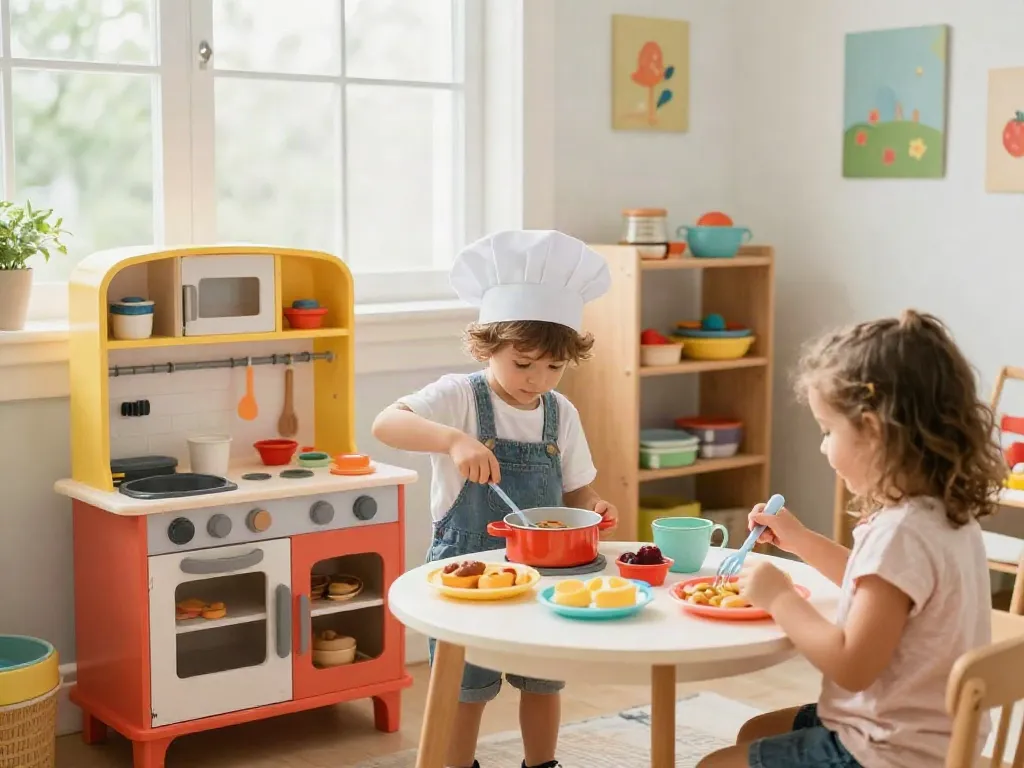
Understanding the Importance of Toy Kitchens
Toy kitchens are not just simple playthings; they are fantastic tools for child development. These miniature culinary setups allow children to mimic adult behaviours, engage in imaginative play, and learn valuable life skills. When exploring options, toy kitchen sets provide a diverse range of choices tailored to various age groups and interests.
What is a Toy Kitchen?
A toy kitchen is essentially a scaled-down version of a real kitchen, designed specifically for children. These playsets often come equipped with various appliances such as stoves, sinks, and ovens, along with accessories like pots, pans, utensils, and play food. The goal is to create an authentic culinary experience that allows children to role-play as chefs, families, or restaurant owners. The designs can vary from simplistic layouts to elaborate setups featuring realistic sounds and lights.
Benefits of Play Kitchens for Child Development
Engaging with a toy kitchen offers numerous benefits for child development, including:
- Creativity and Imagination: Children can invent their own recipes and stories, fostering creativity.
- Social Skills: Role-playing with peers encourages teamwork, sharing, and communication.
- Cognitive Development: Following recipes or organising pretend meals helps enhance problem-solving skills.
- Motor Skills: Manipulating small utensils and food items develops fine motor skills.
How Toy Kitchens Encourage Imaginative Play
Imaginative play is crucial for a child's emotional and cognitive development. Toy kitchens facilitate this by giving children the tools to act out various scenarios, whether it's pretending to cook dinner for their family or running a restaurant. This form of play not only entertains but also teaches children about responsibility and the social dynamics of sharing and collaboration.
Choosing the Right Toy Kitchen
Selecting the perfect toy kitchen can be a daunting task for parents, with countless options available in the market. Considerations such as age appropriateness, the type of materials used, and the specific interests of your child can help guide your choice.
Factors to Consider When Selecting a Toy Kitchen
When choosing a toy kitchen, it's essential to consider several factors, including:
- Age Appropriateness: Ensure the kitchen is suitable for your child's age to avoid safety risks.
- Size: Assess the play area available in your home to select an appropriately sized kitchen.
- Features: Look for kitchens with interactive elements such as lights, sounds, and realistic accessories.
- Durability: Choose a kitchen made from high-quality materials that can withstand rough play.
Different Types of Toy Kitchens Available
Toy kitchens come in various types to cater to different preferences and spaces. Here are some popular options:
- Wooden Toy Kitchens: Often more durable and aesthetically pleasing, wooden kitchens provide a classic look and feel.
- Plastic Toy Kitchens: Typically more affordable and lightweight, making them easier to move and store.
- Compact Toy Kitchens: Ideal for smaller spaces, these kitchens often have a more simplified setup without sacrificing play value.
- High-tech Kitchens: These may feature electronic elements, including touch sensors for realistic cooking sounds and lights.
Comparing Materials: Wooden vs Plastic Toy Kitchens
When it comes to toy kitchens, the choice between wooden and plastic materials can impact both durability and aesthetic appeal. Wooden kitchens are often regarded as sturdier and can withstand heavy play. They also have a more classic and elegant appearance, appealing to many parents' tastes. However, they may come at a higher price point.
On the other hand, plastic kitchens are generally lighter, easier to clean, and often more affordable, making them an appealing option for budget-conscious families. They also come in vibrant colours that can attract younger children. Ultimately, the choice between these materials should consider your child's play style and parental preferences.
Creative Play Ideas with Toy Kitchens
Once you have selected a suitable toy kitchen, the possibilities for creativity and fun are nearly endless. Here are some inventive ways to make the most of your child's play kitchen experience.
Incorporating Role-Playing Activities
Encourage your child to engage in role-playing by setting up various scenarios. For example, they can pretend to be chefs hosting a dinner party or customers ordering food at a restaurant. You can join in as a fellow chef or customer to make it a more interactive experience. This kind of imaginative play helps children step into different roles and understand social dynamics.
Combine with Other Toys for Interactive Play
Combining the toy kitchen with other toys can enhance play value. Consider integrating soft toys as customers or action figures as chefs. Children can pretend to balance different roles and responsibilities, leading to rich storytelling and group play, which enhances social skills.
Themed Play: Cooking Around the World
Introduce your child to global cultures by having themed cooking sessions. For instance, you can focus on Italian night by making pizza from play food or host a sushi party with toy sushi-making kits. This not only increases their culinary vocabulary but also instills an appreciation for different cuisines and cultures.
Safety Considerations for Toy Kitchens
While toy kitchens are designed to provide safe play, some considerations should be kept in mind to ensure a safe and enjoyable experience for your child.
Understanding Age Appropriateness
Always check the manufacturer's recommended age for the toy kitchen. Some parts may pose choking hazards for younger children, while older children may be more suited for complex setups with more pieces.
Identifying Safe Materials and Features
Examine the toy kitchen for materials that are free of harmful chemicals and are durable enough to avoid breaking easily. Look for certifications that ensure the toys meet safety standards, especially in the context of play kitchens made of plastic or paint.
Maintaining Toys for Long-lasting Use
To ensure the longevity of your toy kitchen, regularly clean the surfaces and check for wear and tear. Repair or replace parts as necessary to maintain a safe play environment. Regular maintenance extends the life of the toy and ensures it remains a source of enjoyment for your child.
Future Trends in Toy Kitchens
The world of toy kitchens is continually evolving, with innovations that reflect shifts in parenting styles and educational concepts. Here are some trends to look out for in 2026.
Innovative Features to Expect in 2026
As the demand for interactive play increases, expect toy kitchens featuring more advanced technology, such as virtual reality cooking experiences and smart kitchens that can connect to apps for guided cooking lessons.
Sustainable Practices in Toy Kitchen Manufacturing
Eco-conscious parents are driving a shift towards sustainability in toy manufacturing. Look for brands that utilise recycled materials and sustainable practices in their production processes, contributing to a healthier planet.
New Educational Concepts in Pretend Play Toys
Educational concepts are becoming integral to the design of play kitchens, with a focus on teaching children about healthy eating habits, cultural cuisines, and basic cooking skills. This evolution reflects a broader awareness around nutrition and food education in childhood development.
What age is suitable for a toy kitchen?
The suitable age for a toy kitchen often ranges from toddlers to early elementary school years, generally between 2 to 8 years old. Always consider the specific features and size of the kitchen set when making your choice.
Are wooden toy kitchens better than plastic ones?
Wooden toy kitchens tend to be more durable and visually appealing, while plastic kitchens are often more affordable and easier to clean. The best option depends on your child’s needs and your budget.
How can toy kitchens aid in learning basic cooking skills?
Through imaginative play, children can learn about the basic concepts of cooking, such as following recipes, food preparation, and kitchen safety. This foundational knowledge can foster an early interest in culinary arts.
What are the best brands for toy kitchens in 2026?
Some top brands expected to lead the market in 2026 include Melissa & Doug, Little Tikes, and Tiny Land, known for their quality, safety, and engaging designs.
How can parents encourage creative play with toy kitchens?
Parents can stimulate creative play by participating in kitchen activities, setting up themed cooking nights, and providing a range of play food and accessories for diverse play scenarios.